
Why the Home-Based Format Matters
When people search for an at-home NAD+ program, they're usually trying to understand one specific thing: how does a subcutaneous injection approach differ from other ways NAD+ or its precursors are discussed, and what does "home-based" actually mean in practice? This article breaks down the category in plain language so you can bring informed questions to a consultation, rather than relying on assumptions from marketing claims you may have seen elsewhere.
What "At-Home Subcutaneous" Generally Describes
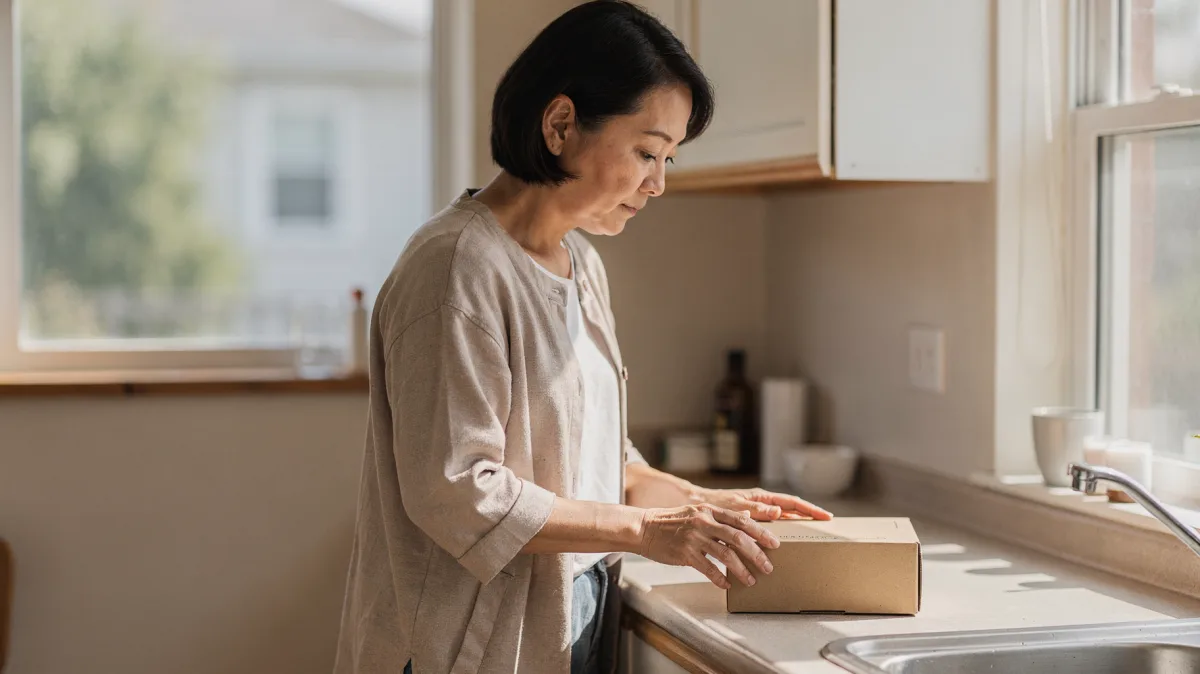
As a category, a home-based subcutaneous approach refers to an injection just under the skin in an at-home setting. This describes the route and setting; it does not determine whether a particular program is appropriate for an individual.
Home-based also does not mean unreviewed. In a consultation-led model, a clinician considers individual context before any next steps are discussed. These are separate questions, and it is useful to keep them separate while researching the topic.
Practical Questions About a Home-Based Format
A home-based subcutaneous format raises practical questions about how individual review works, how questions are handled, and which storage or follow-up details may apply. Those specifics should be confirmed during a consultation rather than assumed from general online information.
If you are evaluating the format, ask a clinician how it relates to your goals, health background, and the evidence relevant to your situation.
What Individual Review Actually Covers
A consultation is where a clinician looks at your personal health context — not a generic checklist — to discuss whether a topic like this may be worth exploring further for you. That review is about your individual situation. It is a separate question from whether a program is currently offered in your service area, whether any particular delivery or fulfillment path exists, or how logistics would work if you moved forward. Those operational details are confirmed separately and shouldn't be assumed based on general availability of information about the topic online.
Questions Worth Bringing to a Consultation
Because "home-based" is a structural description rather than a promise, useful questions to prepare include: What does the home-based format generally involve for someone in my situation? What would a clinician want to know about my health history before discussing this further? What are realistic next steps if I want to learn more? Bringing specific questions like these, rather than open-ended interest alone, tends to make a consultation conversation more useful.
Request a consultation
Have questions about how a home-based subcutaneous approach might apply to your situation? Contact Us to request a consultation, or read more on the At-Home NAD+ Injection Program Options page.
FAQs
Does "home-based" mean no clinician is involved?
No. The term describes where an injection might eventually be administered, not whether a clinician reviewed your individual situation. Clinician review and administration setting are separate topics.
What does a home-based subcutaneous approach involve?
No. They are different delivery methods and settings with different practical considerations. A consultation is the right place to discuss how they compare for your specific goals.
Do I need lab work before discussing this topic?
That depends on your individual situation and what a clinician determines is relevant to your consultation. The website does not set a universal lab requirement for every reader.
Is telehealth used for this kind of consultation?
Consultation formats can vary, and it's a fair question to ask directly during the request process. This article focuses on educating you about the topic itself.
If I'm already using a related treatment, can I still ask about this?
Yes. People already receiving related care often have specific follow-up questions, and a consultation is a reasonable place to raise them alongside your current treatment context.
Does researching this topic mean it's available where I live?
Not necessarily. Availability is a separate, verified detail from general education about the category. A consultation request is the way to get a direct answer for your situation.
What's the difference between reading about this topic and requesting a consultation?
Reading helps you understand the category and prepare questions. A consultation is where an individual clinician actually reviews your health context and discusses whether the topic may be appropriate for you specifically.